
Cloudy
163 films in ten languages, 1954 to 2026, chosen for the whole household.
Featured filmsView all »
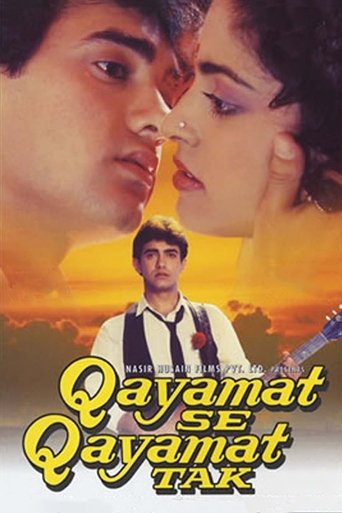 Qayamat Se Qayamat Tak (1988)
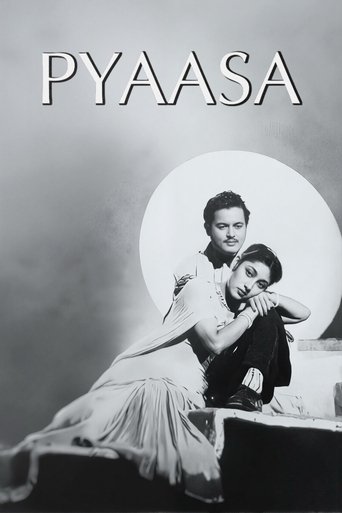 Pyaasa (1957)
 Sonu Ke Titu Ki Sweety (2018)
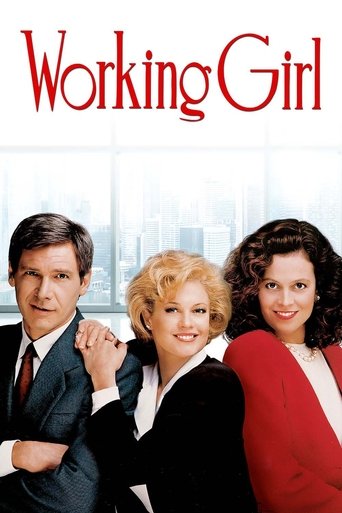 Working Girl (1988)
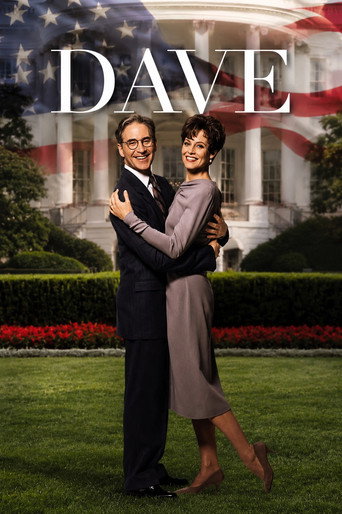 Dave (1993)
 Wimbledon (2004)
BollywoodView all »
 Main Atal Hoon (2024)
 Serious Men (2020)
 Shakuntala Devi (2020)
 Bawaal (2023)
 Umrika (2015)
 Disco Dancer (1982)
 Sardar Ka Grandson (2021)
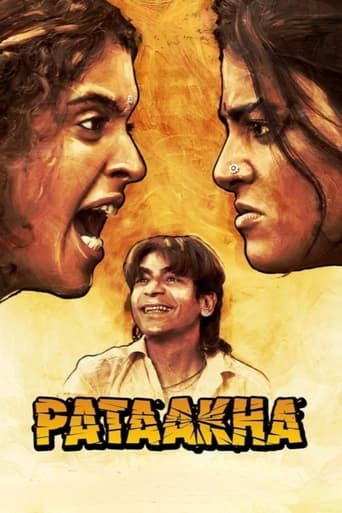 Pataakha (2018)
 Yeh Ballet (2020)
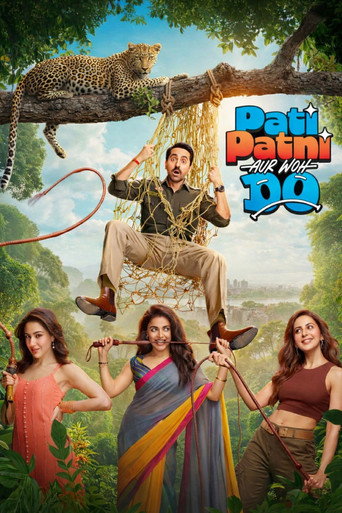 Pati Patni Aur Woh Do (2026)
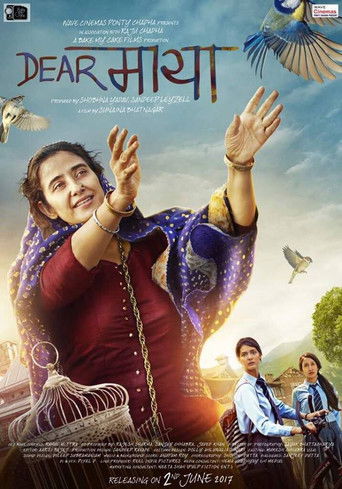 Dear Maya (2017)
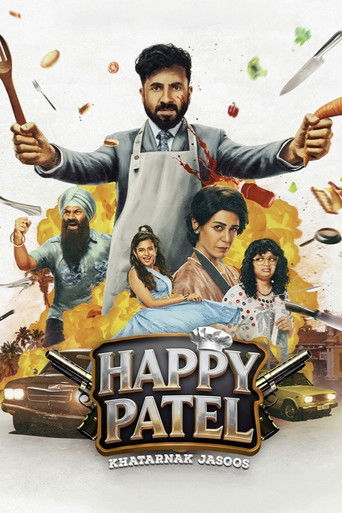 Happy Patel: Khatarnak Jasoos (2026)
Pakistan and the regionsView all »
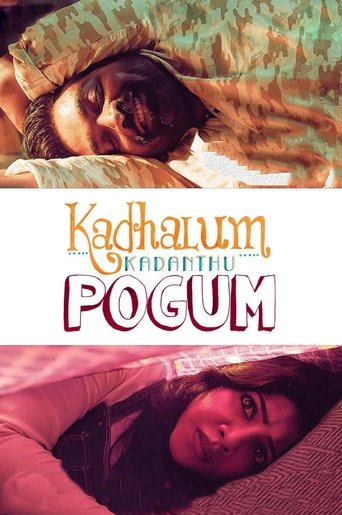 Kadhalum Kadanthu Pogum (2016)
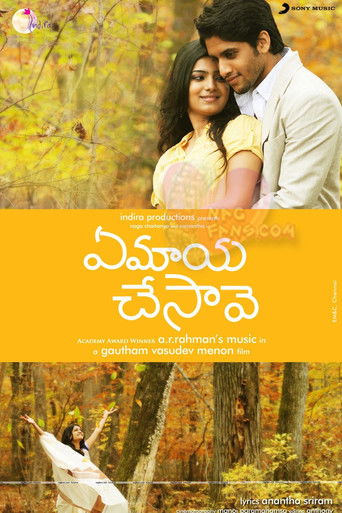 Ye Maaya Chesave (2010)
 Colour Photo (2020)
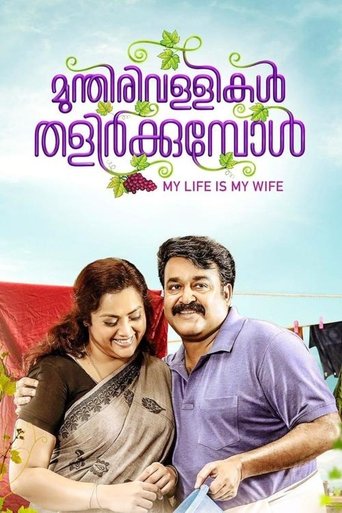 Munthirivallikal Thalirkkumbol (2017)
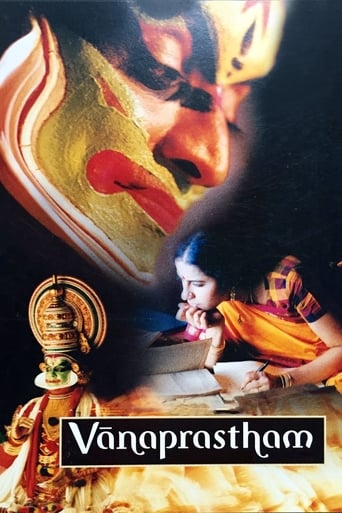 Vanaprastham (1999)
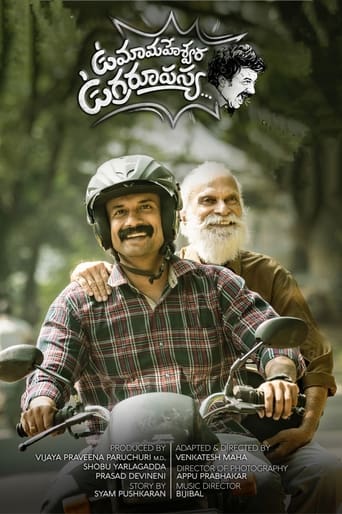 Uma Maheswara Ugra Roopasya (2020)
Hollywood comedyView all »
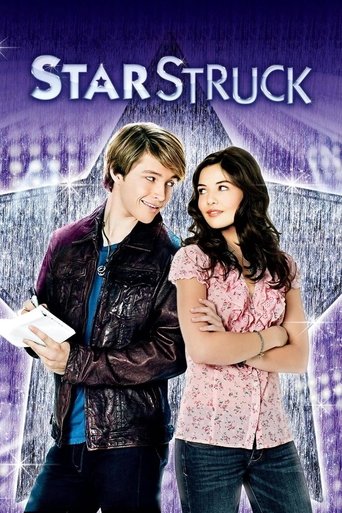 Starstruck (2010)
 Tommy Boy (1995)
 Can You Keep a Secret? (2019)
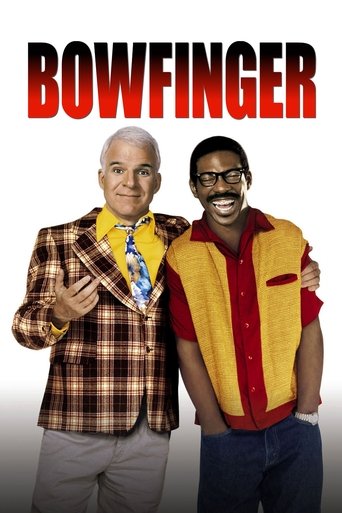 Bowfinger (1999)
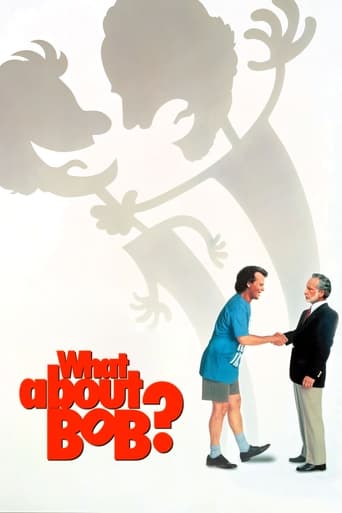 What About Bob? (1991)
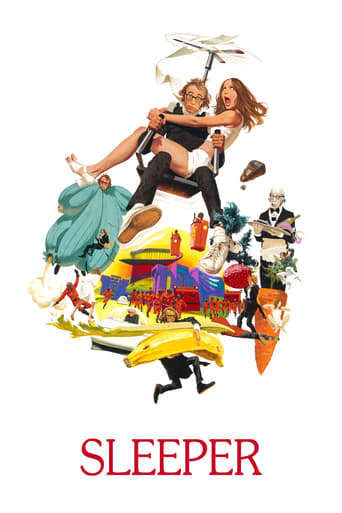 Sleeper (1973)
 Benny & Joon (1993)
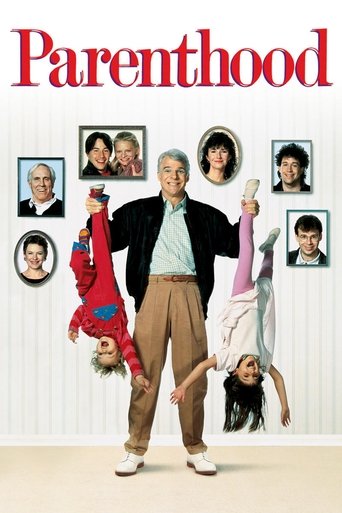 Parenthood (1989)
 One Fine Day (1996)
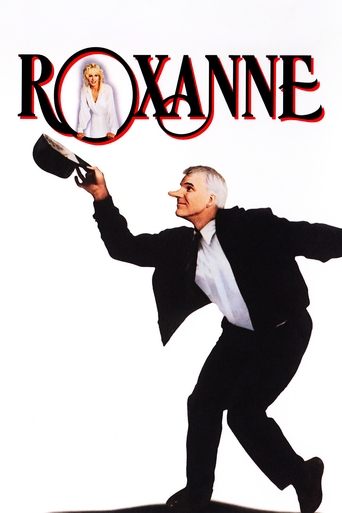 Roxanne (1987)
 Doc Hollywood (1991)
 Persuasion (2022)
RomanceView all »
 Love, Guaranteed (2020)
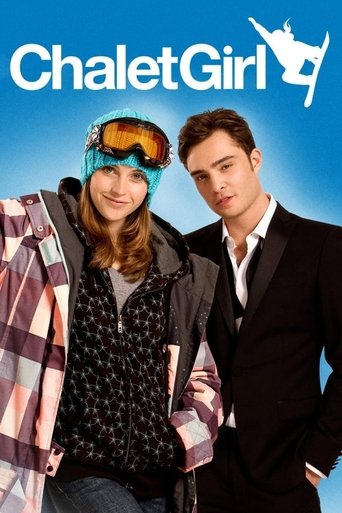 Chalet Girl (2011)
 Chasing Liberty (2004)
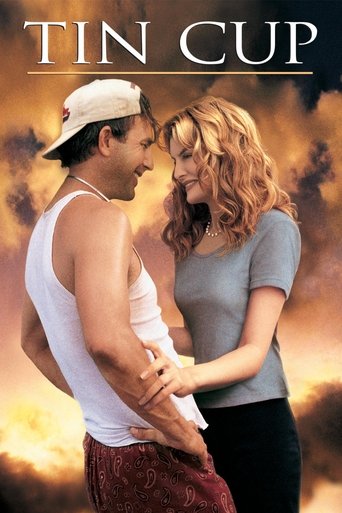 Tin Cup (1996)
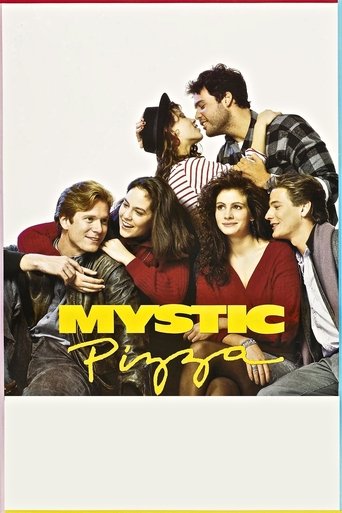 Mystic Pizza (1988)
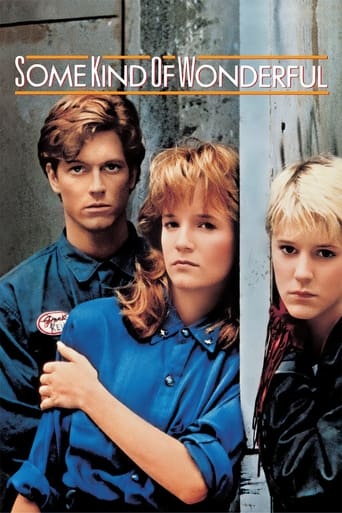 Some Kind of Wonderful (1987)
British filmsView all »
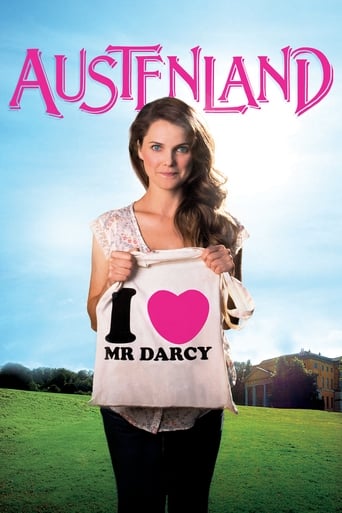 Austenland (2013)
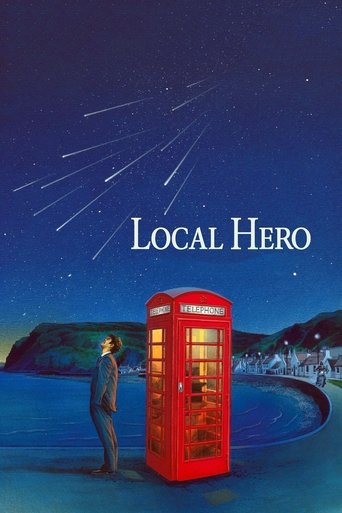 Local Hero (1983)
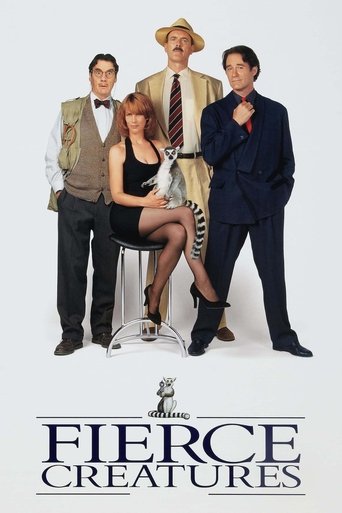 Fierce Creatures (1997)
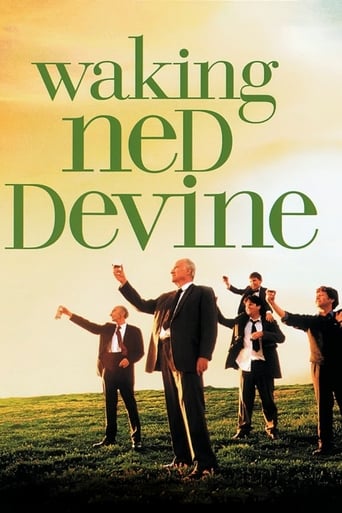 Waking Ned (1998)
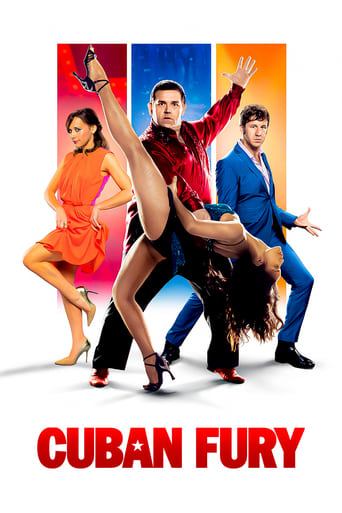 Cuban Fury (2014)
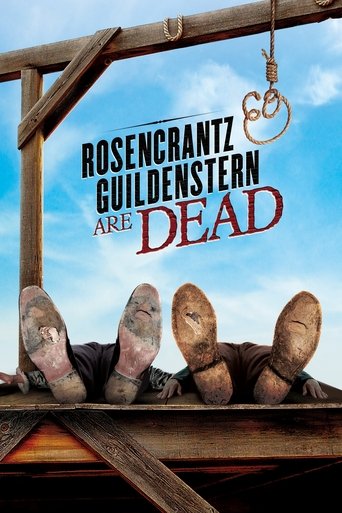 Rosencrantz & Guildenstern Are Dead (1991)
Family and teenView all »
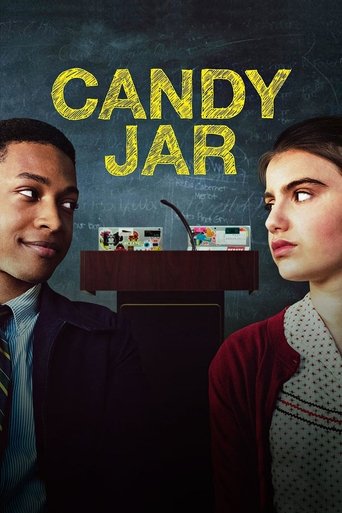 Candy Jar (2018)
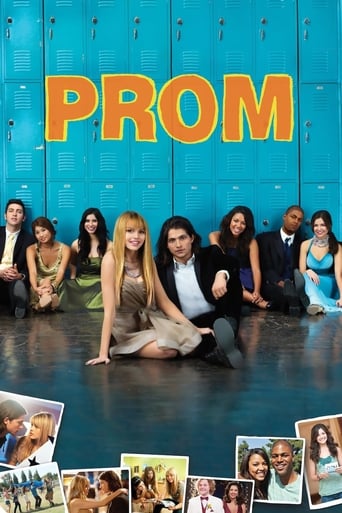 Prom (2011)
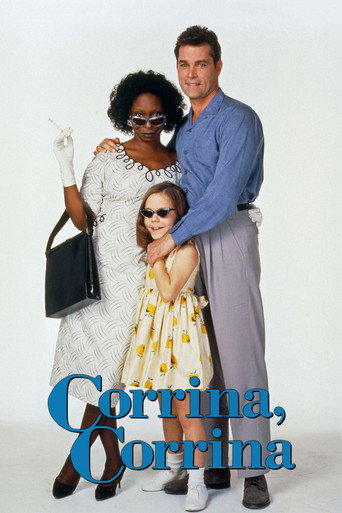 Corrina, Corrina (1994)
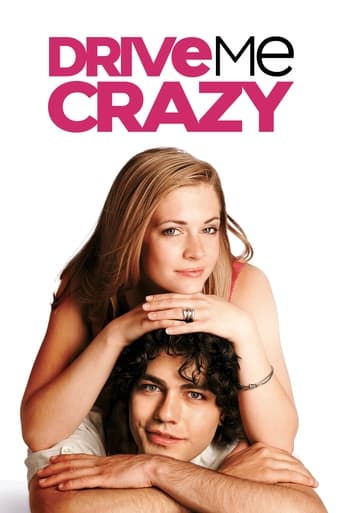 Drive Me Crazy (1999)
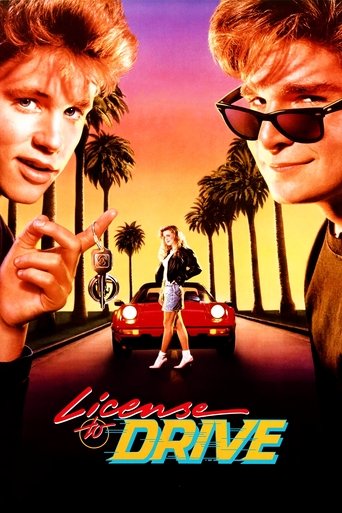 License to Drive (1988)
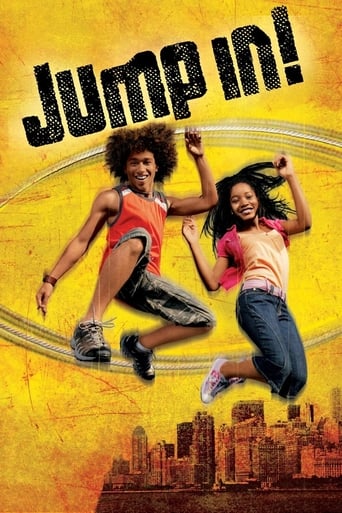 Jump In! (2007)
Latest filmsView all »
 Love in the Villa (2022)
 Wedding Season (2022)
 La Dolce Villa (2025)
 The Photograph (2020)
 Camp Rock 3 (2026)
 Love Is in the Air (2023)
Lists and years
BollywoodPakistan and the regionsHollywoodComedyRomanceDramaFamily and teenMusic and danceTrue storiesTelevision filmsBritish filmsBefore 1990The 1990sThe 2000sThe 2010s2020 onwardsTop rated
The Cloudy guide to feel-good films
Cloudy: feel-good films from Bollywood, South Asia and Hollywood, from Pyaasa, Qayamat Se Qayamat Tak and Sonu Ke Titu Ki Sweety to Working Girl, Dave and Wimbledon
In millions of homes from Karachi to Kolkata, and in every city abroad where South Asian families have settled, an evening at the cinema has always meant a choice between two great dream factories. One stands in Mumbai and sings; the other stands in Los Angeles and wisecracks. Video shops on the high street stocked both on the same shelf, satellite channels play both back to back, and a family that watched Aamir Khan on Friday was perfectly happy with Steve Martin on Saturday. Cloudy is arranged in the same spirit. It is a guide to 163 feel-good films, fifty-one of them from India and Pakistan and 112 from America, Britain and Ireland, chosen so that parents, grandparents and children can sit down to any of them together.
The films span 1954 to 2026 and ten languages: Hindi, Urdu, Bengali, Telugu, Malayalam, Tamil, Kannada, Marathi, Punjabi and English. This guide takes the shelves in turn, beginning with Bollywood, moving through Pakistan and the Indian regions, and then crossing to Hollywood for the comedies, the romances, the British films, the musicals, the true stories and the films made for television. It closes with advice for parents, an explanation of search and My List, and a plan for a first fortnight.
What Cloudy is
Cloudy is a viewing guide, and it carries descriptions in place of video. Each film has a page with its story, year, running time, director and principal cast, and with the original title set beside the English one. The Watch now button on that page opens JustWatch, an independent directory of official services, for the country you choose from the menu; there you will see which subscriptions include the film and where it can be rented or bought. India and Pakistan head the list of countries, followed by the United States, Britain, the Gulf states and a dozen more. The how to watch page explains the steps.
The selection was made by hand. Every summary was read, and crime stories, films of the battlefield, horror, devotional pictures and dramas made for adult audiences were set aside. What is left leans, by design, towards comedy and romance: 105 of the films are comedies and 87 are love stories, with a good many being both.
Where to begin
Three films make a fair introduction to the whole catalogue. Qayamat Se Qayamat Tak, released in 1988, is the romance that gave Hindi cinema back its youth. Two families of Rajput landowners have been enemies for a generation; Raj, the son of one, and Rashmi, the daughter of the other, meet by chance on holiday and fall in love before either learns the other's name. Aamir Khan, in his first leading role, strums a guitar and sings a song about what his father expects of him, and a star is born on the spot; Juhi Chawla is his equal in charm. The story follows Romeo and Juliet to its sad conclusion, so have handkerchiefs ready.
Dave, from 1993, is American comedy at its most good-natured. Dave Kovic runs a small employment agency and happens to look exactly like the President of the United States. When the real president is taken ill, two scheming aides install Dave in the White House as a stand-in, expecting a puppet. Instead they get a decent man who starts asking why the budget has room for everything except children's shelters. Kevin Kline plays both roles, and Sigourney Weaver is the First Lady who slowly notices that her husband has become likeable.
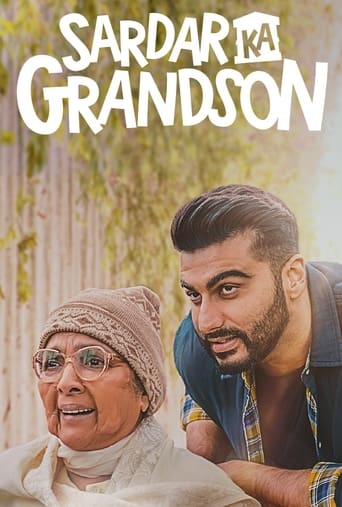
The third is Sardar Ka Grandson, a recent Hindi comedy with a cross-border heart. A grandmother in Amritsar, played with relish by Neena Gupta, has one wish: to see again the house in Lahore that she left as a young bride in 1947. Her visa is refused, so her devoted grandson resolves to bring the house to her, bricks, balcony and all, on the back of a lorry. It is silly and tender in equal measure, and it says something true about how much the two halves of Punjab still have in common.
Bollywood
Twenty-nine Hindi films are on Cloudy, and the Bollywood guide sorts them into classics, entertainers and films of today. The oldest and greatest is Pyaasa, which Guru Dutt directed and starred in during 1957. Vijay is a poet whose brothers sell his manuscripts as waste paper and whose former sweetheart has married a wealthy publisher. The only person who values his verses is Gulabo, a woman from the poorest quarter of the city, who has bought the discarded pages and learned them by heart. When Vijay is wrongly believed dead, his poems are published and become the talk of the town, and he returns to watch a crowd honour his memory while the living man stands unrecognised at the back of the hall. Waheeda Rehman is luminous as Gulabo, and the songs by S. D. Burman with words by Sahir Ludhianvi are among the finest ever written for the screen. International critics regularly place it among the best films made anywhere. It is a serious work, best for teenagers and adults.
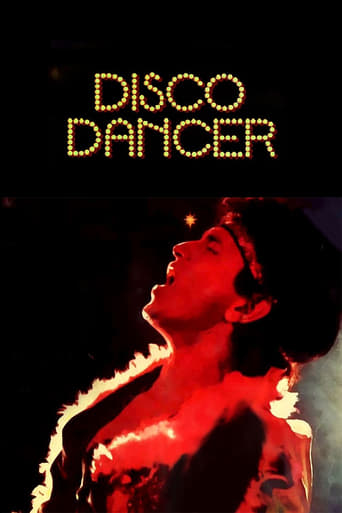
Twenty-five years later Hindi cinema found a very different hero. Disco Dancer made Mithun Chakraborty a household name from Bombay to Moscow. A street singer and his mother are driven out of the city by a rich man's cruelty; the boy grows up to conquer the stage under the name Jimmy, in white flares and a headband, while old enemies plot against him. Bappi Lahiri's songs sold in tens of millions, and the film was among the most successful Indian releases ever shown in the Soviet Union. Sadma, from 1983, is the opposite in mood: a quiet drama in which a schoolteacher in the hill town of Ooty looks after a young woman whom an accident has returned to the mind of a child. Kamal Haasan and Sridevi give two of the most admired performances in Indian cinema, and the closing scene at a railway station is famous.
The eighties and nineties were the high season of the masala film, the all-in-one entertainment that mixes comedy, song, family feeling and derring-do. Manmohan Desai was its master, and Mard is Desai at full tilt: Amitabh Bachchan plays the lost son of a rajah, raised by a blacksmith, who sets out to free his father with the help of a clever horse and a loyal dog. Bachchan plays twins in Toofan, one a stage magician and the other a caped champion of the poor. Shola Aur Shabnam gives Govinda and the director David Dhawan their first great comic hit, set among college cadets, and Hulchul pairs Ajay Devgn with Kajol in a story of a policeman's adopted son. Muskurahat, directed by Priyadarshan, is a gentler comedy set in Ooty, where a retired judge finds his orderly household rearranged by a talkative young woman.
From the same years comes a film of a quite different kind. Suraj Ka Satvan Ghoda, made by Shyam Benegal in 1992 from a Hindi novel, gathers a group of friends on a hot afternoon to hear a storyteller recount three love stories from his youth, each casting new light on the others. It won the national award for the best Hindi film of its year. The 2000s are represented by Rishtey, with Anil Kapoor as a wrestler bringing up his small son alone; Andaaz, in which Akshay Kumar plays an air force pilot between two heroines making their first appearances, Lara Dutta and Priyanka Chopra; and Kisna, Subhash Ghai's romance of the 1930s between a village poet and an English girl.
The newer Hindi films are smaller, sharper and often very funny. Sonu Ke Titu Ki Sweety turns the romantic comedy on its head by making the best friend the hero: Sonu is convinced that his lifelong pal's perfect fiancée is too good to be true, and a battle of wits breaks out between friend and bride. It was a surprise hit of 2018 and made Kartik Aaryan a star. Pataakha, by Vishal Bhardwaj, follows two sisters in a Rajasthan village who have fought like cats since the cradle and discover, once marriage separates them, that they miss the fight. Happy Phirr Bhag Jayegi sends two women with the same name to Shanghai on the same day, and Pati Patni Aur Woh Do builds a farce on a misunderstanding in a happy marriage. In Happy Patel: Khatarnak Jasoos the comedian Vir Das plays a hapless British agent who learns on a mission to Goa that he is Indian.
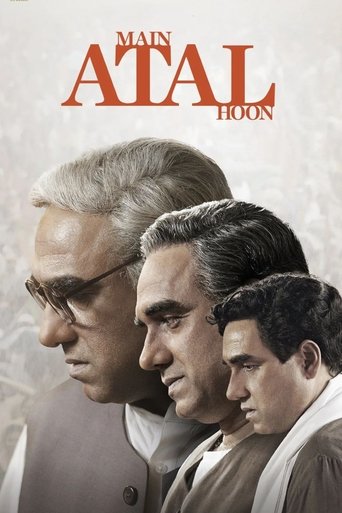
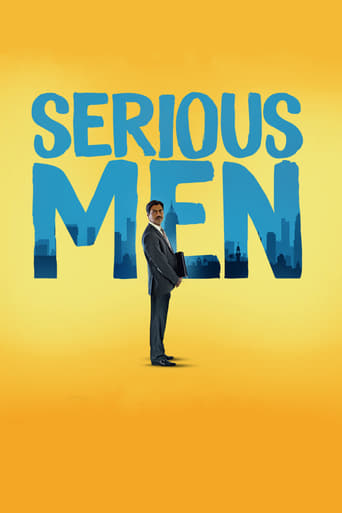
Several recent films are drawn from life. Shakuntala Devi stars Vidya Balan as the woman known as the human computer, who could multiply thirteen-digit numbers in her head faster than a machine and whose relationship with her daughter was a harder sum. Yeh Ballet, directed by Sooni Taraporevala, tells the true story of two boys from the poorer districts of Mumbai, one a street dancer and one a taxi driver's son, who are spotted by an eccentric foreign ballet master and win places at schools abroad. Main Atal Hoon is a biography of the poet and prime minister Atal Bihari Vajpayee, with Pankaj Tripathi in the title role. Serious Men, from the novel by Manu Joseph, is a satire about a clerk at a scientific institute who passes off his ten-year-old son as a genius, and what the pretence costs the boy.
The gentlest Hindi films on the shelf are about families. In Goodbye a mother dies suddenly and her four grown children, scattered across the world, come home to a father, played by Amitabh Bachchan, who insists on every traditional rite; laughter and grief take turns. Umrika, which won the audience award at the Sundance festival, is set in a village where a boy's elder brother has gone to America and writes home wonderful letters, until the younger brother discovers who has really been writing them. Bioscopewala updates a famous story by Rabindranath Tagore about a pedlar from Kabul and the little girl he befriends. Dear Maya gives Manisha Koirala a touching role as a recluse who receives love letters written as a prank by two schoolgirls, and Bawaal sends a small-town history teacher and his wife on a journey through Europe that teaches him more than he has ever taught. Union Leader is a sober drama about workers at a chemical plant.
Pakistan and the Indian regions
Twenty-two films come from beyond the Hindi studios, and the guide to Pakistan and the regions introduces them language by language. India makes films in more than twenty languages, and for many years the most inventive work has come from the south and from Bengal; Pakistan's cinema, after a long lean period, revived strongly in the 2000s.
Six films are in Urdu. Ramchand Pakistani, directed by Mehreen Jabbar, is based on real events: an eight-year-old boy from a village in the Thar desert wanders across the unmarked border into India, his father follows to fetch him, and both are held for years while the boy's mother, played by the Indian actress Nandita Das, waits at home for news. It is told from the child's point of view, with great tenderness, and was shown at festivals around the world. Mother, known at home as Moor, is set along the abandoned railway lines of Balochistan, where a stationmaster and his son in Karachi must decide what their family's land and honour are worth; its mountain photography is spectacular. Good Morning Karachi follows a young woman from a modest home into the city's fashion business, and Behadd, a television film with Fawad Khan and Sajal Ali, is a delicate study of a widowed mother and her teenage daughter.
Two older Urdu-language films were made in Bombay. Shama Parwana, from 1954, casts a young Shammi Kapoor as a court poet in love with a princess, opposite the singing star Suraiya. Razia Sultan is a lavish historical drama by Kamal Amrohi about the only woman to rule the Delhi Sultanate, in the thirteenth century, with Hema Malini as the queen and Dharmendra as the loyal commander she loves.
Bengal contributes five films. Runaway, directed in 1958 by the great Ritwik Ghatak, is about Kanchan, a mischievous village boy of eight who decides that his strict father is an ogre and runs off to Calcutta, which he imagines as a city of gold. What he finds is a city of pavement dwellers, street magicians and kindness in unexpected places, seen through a child's wide eyes. Unishe April, which won the national award for best film, takes place over a single day, the anniversary of a father's death, when a celebrated dancer and her daughter, a young doctor, finally say what has lain between them for years; Aparna Sen and Debashree Roy are superb. Open Tee Bioscope is a nostalgic comedy of boyhood in the lanes of north Kolkata in the 1990s, with football, first love and neighbourhood rivalries, and Bapi Bari Jaa and Shudhu Tomari Jonyo are modern youth romances.
Telugu cinema sends four love stories. Ye Maaya Chesave, by Gautham Vasudev Menon, with music by A. R. Rahman, follows an engineering graduate who dreams of directing films and falls for the girl upstairs, who is a little older and from a different faith; it introduced Samantha Ruth Prabhu and made stars of both leads. The same director and actress returned with Yeto Vellipoyindhi Manasu, which traces one couple from the schoolyard to adulthood through a series of partings and reunions. Colour Photo, set in the 1990s, is about a milkman's son at an engineering college who loves a classmate from a wealthier family, and it won the national award for the best Telugu film. Uma Maheswara Ugra Roopasya is a comedy-drama about a mild village photographer who, after being knocked down in a street quarrel, vows to go barefoot until he has restored his pride.
From Kerala come three films with the two giants of Malayalam cinema. In Vanaprastham, Mohanlal plays a Kathakali dancer of low birth and great gifts who is loved by a noblewoman, though it is the hero he portrays on stage that she adores rather than the man beneath the paint. The performance won him the national award, and the film was shown at Cannes. He is in lighter form in Munthirivallikal Thalirkkumbol, as a bored village official whose college reunion reminds him how to enjoy his own marriage. Mammootty leads Kaiyoppu, about a gifted writer who has been unable to finish a book and the publisher who believes in him. The Tamil Kadhalum Kadanthu Pogum is a charming odd-couple story with Vijay Sethupathi as a good-hearted tough and Madonna Sebastian as the young professional who moves in next door. Gantumoote, from Karnataka, remembers a schoolgirl's first love in the 1990s; Juna Furniture, in Marathi, is a father's plea for the respect owed to the old; and Bikkar Bai Sentimental is a Punjabi musical comedy.
Hollywood comedy
One hundred and five films on Cloudy are comedies, most of them American, and the Hollywood comedy guide arranges them by star and decade. The period from about 1983 to 1999 was a golden age for the studio comedy made for a broad audience: films with a clever premise, a likeable star and jokes that parents and teenagers could enjoy side by side. Such films were also the ones that travelled best, dubbed into Hindi and a dozen other languages for television.
Steve Martin is the presiding genius. In Roxanne, which he wrote himself from the French classic Cyrano de Bergerac, he is the fire chief of a mountain town, witty, gallant and equipped with a truly enormous nose, who helps a tongue-tied colleague woo the astronomer they both love. The scene in which he improvises twenty insults about his own nose is a comic aria. In Parenthood, directed by Ron Howard, he is a father of three who is determined to do better than his own father did, in the midst of a large family where every brother and sister has troubles of their own; it is the wisest American comedy about raising children. Bowfinger casts him as a penniless film producer who shoots an entire picture around a famous action star, played by Eddie Murphy, by filming him in secret. The Lonely Guy and A Simple Twist of Fate, a modern version of the novel Silas Marner in which a solitary craftsman adopts a foundling, show two further sides of him.
Bill Murray drives Richard Dreyfuss to distraction in What About Bob?, as a patient with every phobia in the book who follows his psychiatrist on holiday and charms the doctor's whole family. Michael Keaton stars in Mr. Mom, one of the first comedies about a father running the home while his wife goes out to work, and in Gung Ho, about a car plant in Pennsylvania taken over by a Japanese firm. John Candy, the gentlest of large comedians, takes his family to the seaside in Summer Rental and plays a Chicago policeman torn between his formidable Irish mother, the great Maureen O'Hara, and a shy new sweetheart in Only the Lonely. Chevy Chase moves to the country with disastrous results in Funny Farm, and Chris Farley and David Spade set off to save a family brake-pad factory in Tommy Boy.
Several of the best are comedies about show business. Soapdish goes behind the scenes of a daytime serial whose leading lady, played by Sally Field, is being undermined by her co-stars; Kevin Kline and Robert Downey Jr. join in. Noises Off... films the celebrated stage farce about a touring company whose backstage quarrels wreck the play they are performing, with Michael Caine as the despairing director and Carol Burnett at the head of a marvellous cast. Woody Allen's Sleeper, from 1973, has a health-food shop owner wake up two hundred years in the future, and is full of silent-film slapstick. Rosencrantz & Guildenstern Are Dead, written and directed by Tom Stoppard, follows two minor characters from Hamlet as they wander through the play wondering what is going on; Gary Oldman and Tim Roth are the bewildered pair.
Politics and business supply good-humoured satire. Besides Dave there is My Fellow Americans, with Jack Lemmon and James Garner as two former presidents and old rivals who are forced to travel across the country together, and Other People's Money, in which Danny DeVito's takeover specialist sets his sights on an old wire and cable company run by Gregory Peck. Lemmon is reunited with Walter Matthau in Grumpier Old Men, where two neighbours who have bickered for sixty years unite against a newcomer who wants to turn their bait shop into a restaurant; Sophia Loren is the newcomer. With Honors sets a Harvard student against a homeless man, played by Joe Pesci, who has found his thesis, and Nobody's Fool gives Paul Newman one of his late great roles as a small-town handyman of sixty who has avoided responsibility all his life and finds, to his surprise, a grandson to look after. Clint Eastwood directs and stars in Bronco Billy, a warm comedy about the owner of a struggling Wild West show.
Romance
Eighty-seven films are love stories, and the romance guide suggests a route through them. The Hollywood romantic comedy of the late eighties and nineties had a particular flavour: grown-up characters with jobs, quick dialogue and a city, usually New York, as third lead. Working Girl is the model. Tess, a secretary from Staten Island with night-school qualifications and a head for business, discovers that her polished boss has stolen her best idea; when the boss is laid up with a broken leg, Tess borrows her office, her wardrobe and her invitation list and sets about making the deal herself. Melanie Griffith, Harrison Ford and Sigourney Weaver are all at their best, and the opening shot of the ferry crossing to Manhattan to the sound of Carly Simon is one of the great beginnings.
Broadcast News, by James L. Brooks, is set in a television newsroom in Washington, where a brilliant producer, played by Holly Hunter, is drawn to a handsome new anchorman of limited knowledge while her best friend, the cleverest reporter in the building, looks on in dismay. It is as sharp about work as about love. In One Fine Day Michelle Pfeiffer and George Clooney are two single parents whose children miss a school trip, obliging the adults to share childcare and a mobile telephone through one frantic day. Green Card brings Gérard Depardieu to New York as a French composer who marries a horticulturalist, played by Andie MacDowell, purely so that he may stay in the country and she may rent a flat with a greenhouse, after which the immigration service asks them to prove they are in love.
The Truth About Cats & Dogs is another Cyrano story, with Janeane Garofalo as a radio vet who persuades a model friend to meet a listener in her place. Benny & Joon gives Johnny Depp a lovely role as a young man who models himself on the silent comedians and enchants a garage owner's sister. The Accidental Tourist, from the novel by Anne Tyler, pairs William Hurt as a writer of guidebooks for people who dislike travel with Geena Davis as an irrepressible dog trainer; she won an Academy Award. Tin Cup sets Kevin Costner's driving-range professional on the road to the US Open to impress a psychologist, Doc Hollywood strands Michael J. Fox's ambitious young surgeon in a small southern town, and Mystic Pizza follows three young waitresses in a Connecticut fishing port through one decisive autumn; it was Julia Roberts's first notable role.
The romantic comedy has lately found a new home on the streaming services, and its favourite setting is abroad. In Love in the Villa a schoolteacher arrives in Verona to find her holiday flat double-booked with a sardonic Englishman. La Dolce Villa sends an American father to Tuscany to stop his daughter buying a ruined house for one euro, and Chasing Liberty lets the daughter of an American president slip her bodyguards in Prague and cross Europe by train. Love, Guaranteed concerns a lawyer whose client wishes to sue a dating site, Can You Keep a Secret? a young woman who tells all her secrets to a stranger on a bumpy flight and then meets him again at the office, and French Girl a Brooklyn teacher who follows his girlfriend home to Quebec. Wedding Season will ring true in many households: two young Indian-Americans, worn out by matchmaking parents, agree to pose as a couple through a summer of weddings.
Quieter love stories include The Photograph, in which a museum curator and a journalist are brought together by a box of pictures left by her mother; Tumbledown, about a young widow in Maine and the New York academic who arrives to write about her late husband's music; Mozart and the Whale, a romance between two people with Asperger's syndrome; Ode to Joy, whose hero falls asleep at any strong emotion; and One True Loves. Corrina, Corrina is set in the 1950s, when a widowed jingle writer hires a housekeeper, played by Whoopi Goldberg, who coaxes his silent small daughter back to speech. The Other Sister, Anywhere but Here and Good Deeds are warm dramas of family and affection.
British and Irish films
Twenty-five films come from Britain and Ireland, and the British films guide lists them. Viewers in South Asia have long had a soft spot for British comedy, and the best of it is here. Local Hero, written and directed by Bill Forsyth in 1983, sends a young executive from a Texan oil company to buy an entire Scottish fishing village for a refinery. The villagers, far from resisting, are delighted at the prospect of becoming rich, and it is the American who falls under the spell of the beach, the northern lights and the telephone box on the quay. Burt Lancaster plays the star-gazing oil magnate, and Mark Knopfler wrote the music. It is among the most beloved British films ever made.
Waking Ned has a similar twinkle. In a tiny Irish village someone has won the national lottery, and two elderly friends work out that the winner is Ned Devine, who has passed away from the shock with the ticket in his hand. The whole village must then agree on a plan to collect. Brassed Off is set in a Yorkshire mining town where the pit is about to close and the colliery brass band, under its stern conductor, played by Pete Postlethwaite, has reached the national finals; it is funny, angry and very moving, and the music is glorious. John Cleese stars in Clockwise as a headmaster obsessed with punctuality whose journey to a conference goes wrong at the first railway platform, and in Fierce Creatures as the new manager of a zoo ordered to keep only dangerous animals.
British romance is represented by Wimbledon, with Paul Bettany as a fading tennis professional whose last tournament is transformed by meeting a rising American star; Hampstead, with Diane Keaton and Brendan Gleeson as a widow and a man living in a self-built cabin on the heath; Cuban Fury, in which Nick Frost's shy engineer returns to the salsa dancing of his youth; Chalet Girl, set among the snowboarders of an Alpine resort; and My Old Lady, in which Kevin Kline inherits a Paris apartment that comes complete with Maggie Smith. Jane Austen inspires Persuasion and the comedy Austenland, about a devotee who spends her savings at a Regency theme resort, and Oscar Wilde's play becomes the sparkling An Ideal Husband. Undertaking Betty is a Welsh farce, and Pirates a high-seas romp with Walter Matthau as a one-legged buccaneer.
Music and dance
Twenty films are built around song and dance, and the music and dance guide describes each. Thoroughly Modern Millie, from 1967, stars Julie Andrews as a girl from Kansas who arrives in the New York of the 1920s determined to become a modern woman and marry her boss; it is a bright, tap-dancing pastiche of the flapper era. Girl Happy is an Elvis Presley musical set during the spring holidays in Florida. Cats is the 1998 filming of Andrew Lloyd Webber's stage show with Elaine Paige, far closer to the theatrical experience than the later cinema version. Walking on Sunshine strings the pop hits of the 1980s along a holiday romance in southern Italy.
Dance films include Center Stage: On Pointe, set at a ballet academy, and the two Indian titles already described, Disco Dancer and Yeh Ballet, which make a fine double bill forty years apart. For younger viewers there are Starstruck, about a pop idol and the one girl who is unimpressed by him; Camp Rock 3; and Jump In!, in which a young boxer discovers a talent for competitive skipping.
True stories
Nineteen films are taken from real lives, and the true stories guide groups them by subject. The best known is Frost/Nixon. In 1977 the British television host David Frost, thought of as a lightweight entertainer, paid a former American president for a series of interviews, and over twelve days of recording the two men fought a duel of wits for the judgement of history. Ron Howard directs, Michael Sheen is Frost and Frank Langella is Nixon, and the long close-up at the climax is among the most telling shots in modern cinema. Recount reconstructs the thirty-six days in which the American election of 2000 hung on a few hundred ballots in Florida, and Oslo the secret talks in Norway that led to the peace accords of 1993. Inherit the Wind dramatises the celebrated trial of a schoolteacher in Tennessee in 1925, with Jack Lemmon and George C. Scott as the opposing lawyers.
Warm Springs is a fine portrait of Franklin Roosevelt in the years after polio, when a run-down spa in Georgia gave him back his purpose; Kenneth Branagh plays him. Radium Girls remembers the young factory workers of the 1920s who painted luminous watch dials and took their employers to court. America America, Elia Kazan's epic of 1963, follows his own uncle as a young man on the long road from an Anatolian village to the port of New York. James Dean, with James Franco, and Michael Jackson: Searching for Neverland are portraits of two stars, and King Charles III is an imagined history in blank verse.
Sport provides four. 61*, directed with a fan's devotion by Billy Crystal, relives the summer of 1961, when two team-mates at the New York Yankees chased baseball's most famous record. 3: The Dale Earnhardt Story follows a stock-car champion from the dirt tracks of North Carolina, Bigger the two brothers who founded the modern fitness business, and Giant, from 2026, the rise of the boxer Prince Naseem Hamed under his Irish trainer in Sheffield.
Films made for television
Twenty-eight titles were made for television, and the television films guide lists them. The form suits an evening at home: stories of ninety minutes, told plainly and usually with a happy ending. Les Misérables, the 1978 version with Richard Jordan as Jean Valjean and Anthony Perkins as Inspector Javert, tells Victor Hugo's story with clarity and feeling. Conagher is a quiet western with Sam Elliott and Katharine Ross, from the novel by Louis L'Amour, about a widow keeping a stagecoach station on the plains and the cowhand who rides by. Steel Magnolias restages the well-loved play about six friends at a Louisiana beauty salon, and When Calls the Heart takes a young teacher to a frontier town in 1910.
The romances include A Royal Winter, My Fake Fiance, You Cast A Spell On Me, Love Jacked, Love Is in the Air and 3 Bed, 2 Bath, 1 Ghost, in which an estate agent finds that her new listing comes with a resident from the 1920s. A Dog Named Duke is a family story about a faithful dog, and MacGyver: Lost Treasure of Atlantis sends the resourceful television hero on an archaeological adventure. British television contributes three treats for comedy enthusiasts: Blackadder: Back & Forth, in which Rowan Atkinson's scheming hero acquires a time machine; Red Nose Day Actually, a fifteen-minute reunion for the characters of a favourite Christmas-season romance; and two affectionate send-ups of a long-running science fiction series, Doctor Who: The Curse of Fatal Death and The Five(ish) Doctors Reboot.
Family and teen
Thirty-one films are suggested for watching with children and teenagers, and the family and teen guide sorts them by age. The teenage films of the 1980s have aged remarkably well. Lucas is the tenderest of them: a slight, clever fourteen-year-old who collects insects falls for the new girl at school, who likes him very much and loves the captain of the football team. Some Kind of Wonderful, written by John Hughes, concerns an art-loving boy, the popular girl he asks out and the tomboy drummer who is his best friend. License to Drive and Summer School are sunny comedies of the same period, and Drive Me Crazy and Prom carry the tradition forward. Candy Jar sets two rival school debating champions on a collision course that ends, naturally, in friendship.
From India, Yeh Ballet, Umrika, Bioscopewala, Gantumoote and Open Tee Bioscope are all stories of young people finding their way, and Runaway can be enjoyed by children of the hero's own age. For family evenings choose Parenthood, Mr. Mom, One Fine Day, A Simple Twist of Fate or Goodbye. The youngest viewers will be happiest with That's So Suite Life of Hannah Montana, Starstruck, Camp Rock 3 and A Dog Named Duke.
The decades
Thirty-three films were made before 1990, and the before 1990 guide picks out the essential ones, from Pyaasa and Shama Parwana in the fifties to Working Girl and Qayamat Se Qayamat Tak at the end of the eighties. The 1990s, with forty-one films, form the largest shelf, and the 1990s guide shows why the decade is remembered so fondly: Dave, What About Bob?, Big Night, in which two immigrant brothers stake their Italian restaurant on one magnificent dinner, and from India Suraj Ka Satvan Ghoda, Unishe April and Vanaprastham. Twenty-six films date from 2020 or later, and the 2020 onwards guide recommends Goodbye, Serious Men, Colour Photo, Wedding Season and Radium Girls among them.
A word on languages
South Asian audiences are the most multilingual in the world, and films cross between languages there more freely than anywhere else. A Tamil hit is remade in Hindi within the year; Sadma is its director's own Hindi version of his Tamil film, Muskurahat reworks a Malayalam comedy by the same director, and Uma Maheswara Ugra Roopasya retells a much-admired film from Kerala in a Telugu village. Hollywood films, for their part, are released in India in Hindi, Tamil and Telugu versions alongside the English original, and it is those dubbed versions that fill afternoon television. Cloudy lists every film under its original language, and the services shown by JustWatch state which soundtracks and subtitles each one offers in your country. Where a choice exists, the original track with subtitles is nearly always the more rewarding, since so much of a performance lives in the voice.
The songs deserve a word as well. A Hindi film of the classic kind contains six or more, and they are far from interruptions: they carry the story forward, speak the feelings that the characters are too shy to say, and are released and loved as music in their own right. The songs of Pyaasa, Qayamat Se Qayamat Tak and Disco Dancer are known to people who have yet to see the films, and a first viewing often feels like meeting old friends.
Stars and directors to follow
One of the pleasures of a catalogue like this is following a favourite face from film to film, and the search field accepts a name as readily as a title. Amitabh Bachchan, the towering figure of Hindi cinema for half a century, appears here at two stages of his career: as the all-conquering hero of Mard and Toofan in the 1980s, and as the stubborn, grieving father of Goodbye in 2022. Neena Gupta, who enjoyed a remarkable second career in her sixties, is his wife in that film and the grandmother of Sardar Ka Grandson. Sanya Malhotra is one of the quarrelling sisters in Pataakha and the daughter in Shakuntala Devi. Samantha Ruth Prabhu may be seen at the very start of her career in Ye Maaya Chesave and two years on in Yeto Vellipoyindhi Manasu, and Mohanlal in roles eighteen years apart.
On the American side, Kevin Kline is a one-man repertory company: the stand-in president of Dave, the vain soap actor of Soapdish, two parts in Fierce Creatures and the hapless heir of My Old Lady. Sigourney Weaver plays against him in Dave and is the formidable boss of Working Girl. Jack Lemmon, in the last decade of a great career, is a former president in My Fellow Americans, a retired schoolteacher in Grumpier Old Men and a famous advocate in Inherit the Wind. Diane Keaton spans forty-four years between Sleeper and Hampstead, and Melissa Joan Hart, a favourite of teenage television, leads Drive Me Crazy and My Fake Fiance. Barry Pepper plays two sporting heroes, in 61* and 3: The Dale Earnhardt Story.
Directors reward the same attention. Ron Howard made Gung Ho, Parenthood and Frost/Nixon, three films with little in common except good sense and good humour. George Roy Hill directed both Thoroughly Modern Millie and, twenty-one years later, Funny Farm. Frank Oz, who began as a puppeteer, made What About Bob? and Bowfinger, and Howard Deutch Some Kind of Wonderful and Grumpier Old Men. Carl Reiner, one of the founders of American television comedy, directed Summer Rental and Summer School in consecutive summers. In India, Mudassar Aziz is responsible for both Happy Phirr Bhag Jayegi and Pati Patni Aur Woh Do, and Gautham Vasudev Menon for the two Telugu romances.
More to discover
A few films sit outside every heading above and are too good to leave unmentioned. Big Night, co-directed by Stanley Tucci, is set in the 1950s on the New Jersey shore, where two brothers from Italy run a restaurant that serves perfect food to empty tables. The elder, a chef of genius, refuses to cook what customers expect; the younger keeps the accounts and dreams of success. They stake everything on one banquet for a famous bandleader, and the film builds to the unveiling of a great baked drum of pasta and to a wordless final scene in which one brother cooks the other an omelette. Anyone who loves to eat should see it.
Watching the Detectives is an eccentric comedy with Cillian Murphy as the owner of a video shop whose quiet life is upended by a customer, played by Lucy Liu, with a taste for elaborate practical jokes. Pirates offers galleons, treasure and a throne of Aztec gold. Bronco Billy, Conagher and When Calls the Heart will please lovers of the old West in its gentler moods, and America America anyone with emigration in the family story, which in South Asia means nearly everyone. Love Jacked and Good Deeds come from the lively tradition of African-American romantic comedy and drama, and Jump In! from the long line of television films made for children by a famous studio.
The catalogue will go on growing in both directions. The Hindi shelf concentrates for now on comedies, family stories and biographies, and the regional shelf on films that have won awards at home and festival screenings abroad; the Hollywood shelf favours the years when the studio comedy was in its prime. Readers who finish this guide with a list of ten titles they have yet to see will have used it exactly as intended.
Reading the scores and the lists
Each film page on Cloudy shows a score out of ten taken from the public film database, together with the number of votes behind it. Scores are a useful first guide and deserve a pinch of salt. Popular comedies are marked more strictly than solemn dramas, so a comedy at 6.5 is often a safer bet for a family evening than a drama at 7.5, and films from the smaller language industries may rest on a few dozen votes. The top rated list therefore asks for at least thirty votes as well as a score of 6.8 or better, and currently holds thirty-three films, with Frost/Nixon, Pyaasa, Noises Off..., Benny & Joon and Brassed Off near the head. Running times are shown beside the year. Hindi films of the classic period commonly last two and a half hours with an interval in the middle, which makes a natural pause for tea; the American comedies are mostly over in a brisk hundred minutes, and the three British television specials last half an hour or less.
The home page is laid out like the front page of the site that inspired it, in rows of six square pictures under sky blue headings. The first row holds six featured films, and the rows beneath it draw the most widely seen titles from Bollywood, from Pakistan and the regions, from Hollywood comedy, from romance, from the British shelf, from the family list and from the newest releases. A film appears in one row only, so the page shows more than fifty different titles at a glance, and the View all link at the right of each heading opens the complete list.
A note for parents
The catalogue was assembled for shared viewing, and the great majority of the films carry the mildest certificates. A few deserve a word in advance. Pyaasa, Sadma, Unishe April and Vanaprastham are serious dramas of feeling, suited to teenagers and adults. Qayamat Se Qayamat Tak and Colour Photo are love stories with sad endings. Ramchand Pakistani concerns a child separated from his mother, and Goodbye, Tumbledown and Steel Magnolias deal gently with bereavement. Among the American films, Working Girl, Broadcast News, Mystic Pizza, Tin Cup, Nobody's Fool and Frost/Nixon were certified for older audiences on account of strong language or adult conversation, and are best kept for viewers of about fifteen and over. The masala entertainers contain staged fist fights in the manner of a pantomime.
Search, lists and My List
The search field at the top of every page answers as you type and accepts a title or the name of an actor or director. The blue menu bar leads to the three main shelves, Bollywood, Pakistan and the regions, and Hollywood, and to the comedy, romance and top rated lists; the foot of the home page links to all seventeen lists, and the finding titles page describes them along with the A to Z. To keep a film for later, press Add to My List on its page. The My List link at the right of the menu bar opens your saved films, which are stored by the browser on your own device, and the My List page shows how to save the list to a file.
A fortnight with Cloudy
For a first fortnight, alternate between the two dream factories. Begin with Qayamat Se Qayamat Tak and follow it with Dave. Take Sardar Ka Grandson and then Local Hero, two films about what a place can mean to a person. Pair Sonu Ke Titu Ki Sweety with Roxanne, both comedies about a friend who meddles in a courtship. Set Yeh Ballet beside Brassed Off for an evening on what art gives to people with little else, and Goodbye beside Parenthood for one on families. Keep Pyaasa and Working Girl for a weekend, when there is time to talk afterwards, and end with Waking Ned, which sends everybody to bed smiling.
Questions and answers
Questions
What is Cloudy?
Cloudy is a guide to 163 feel-good films from Bollywood, Pakistan, the Indian regions, Hollywood and Britain, 1954 to 2026, each with its story, cast and a Watch now button to the official services that carry it.
Which film should I watch first?
Start with Qayamat Se Qayamat Tak, Dave or Sardar Ka Grandson. They introduce the Hindi romance, the American comedy and the modern family film.
Is the catalogue suitable for families?
Yes. Every summary was read by hand, and crime stories, horror, films of the battlefield and adult dramas were left out. A note in the guide lists the few films better kept for older viewers.
Which languages are covered?
Hindi, Urdu, Bengali, Telugu, Malayalam, Tamil, Kannada, Marathi, Punjabi and English. Each film is listed under its original language.
Are Hindi dubbed versions available?
Cloudy is a guide, and each Watch now button opens JustWatch, where every listed service shows the soundtracks and subtitles it offers in your country.
Which comedies are the most popular?
Dave, What About Bob?, Tommy Boy, Parenthood, Roxanne and Bowfinger from Hollywood, and Sonu Ke Titu Ki Sweety and Sardar Ka Grandson from Bollywood.
How does My List work?
Press Add to My List on any film page. The list is kept by the browser on this device, and the list page can write it to a file.
Does Cloudy host films or downloads?
Cloudy is a guide only. Every Watch now button opens JustWatch, which lists the official streaming, rental and purchase services for your country.
